Milk Bread

Milk bread is not just any ordinary bread; it’s soft, pillowy, and slightly sweet, making it the perfect companion for breakfast, snacks, or even dessert. You’ll love its tender, fluffy texture and light sweetness that sets it apart from regular loaves. It’s the kind of bread that brings a warm, nostalgic feeling with every slice, reminiscent of cozy evenings at home, and those delightful moments spent at the breakfast table.
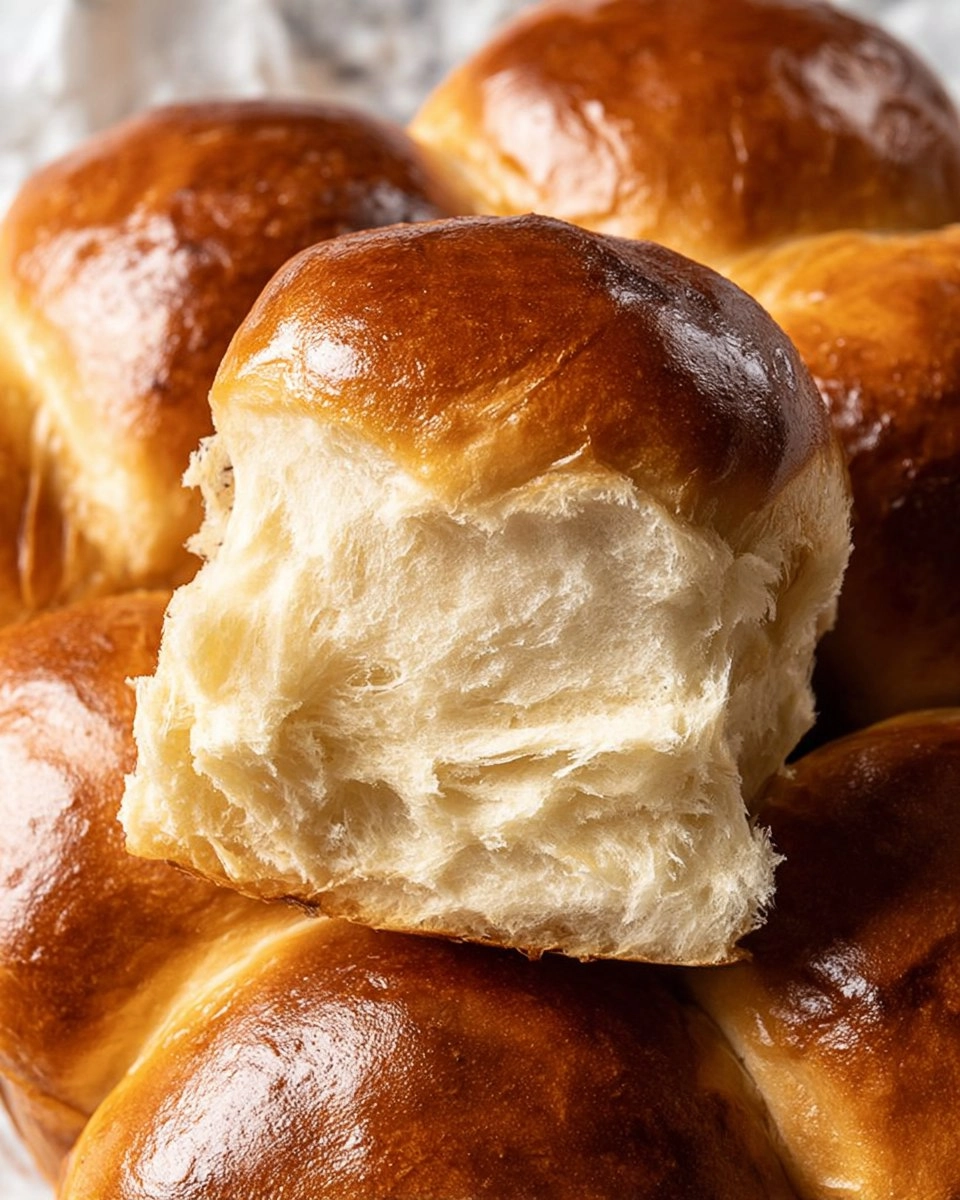
I still remember the first time I baked milk bread. The intoxicating aroma wafting through my kitchen was enough to make anyone’s mouth water. Once I pulled that golden loaf from the oven, I knew I had stumbled upon something special. This milk bread recipe is simple, budget-friendly, and surprisingly forgiving, making it perfect for both novice bakers and seasoned pros. I can’t wait for you to try making it at home!
Table of Contents
Why You’ll Love This Recipe
- Simple & Quick: Whip up this milk bread in about two hours from start to finish
- Irresistible Flavor: A slightly sweet and rich taste that’s simply divine
- Eye-Catching Appeal: Soft, fluffy slices that look just as good as they taste
- Flexible Serving: Perfect for breakfast, as a snack, or in sandwiches any time of day
- Diet-Friendly Options: Easily adaptable for dairy-free and vegan diets if needed
Ingredients You’ll Need
- 4 cups all-purpose flour: This is the foundation of your bread. Look for good-quality flour for the best results.
- 1 packet (2 ¼ teaspoons) instant yeast: Helps the dough rise quickly; instant yeast saves time since you don’t have to proof it.
- ½ cup granulated sugar: Adds a hint of sweetness; can be reduced or replaced with a sugar alternative if desired.
- 1 teaspoon salt: Enhances the overall flavor. It’s essential not to skip this!
- 1 cup whole milk: Gives the bread its rich, tender quality. You can substitute plant-based milk if needed.
- 2 tablespoons unsalted butter, melted: For a rich flavor and improved texture. Use softened butter if you prefer.
- 1 large egg: Adds richness and color. Make sure it’s at room temperature for best results.
How to Make Milk Bread Recipe
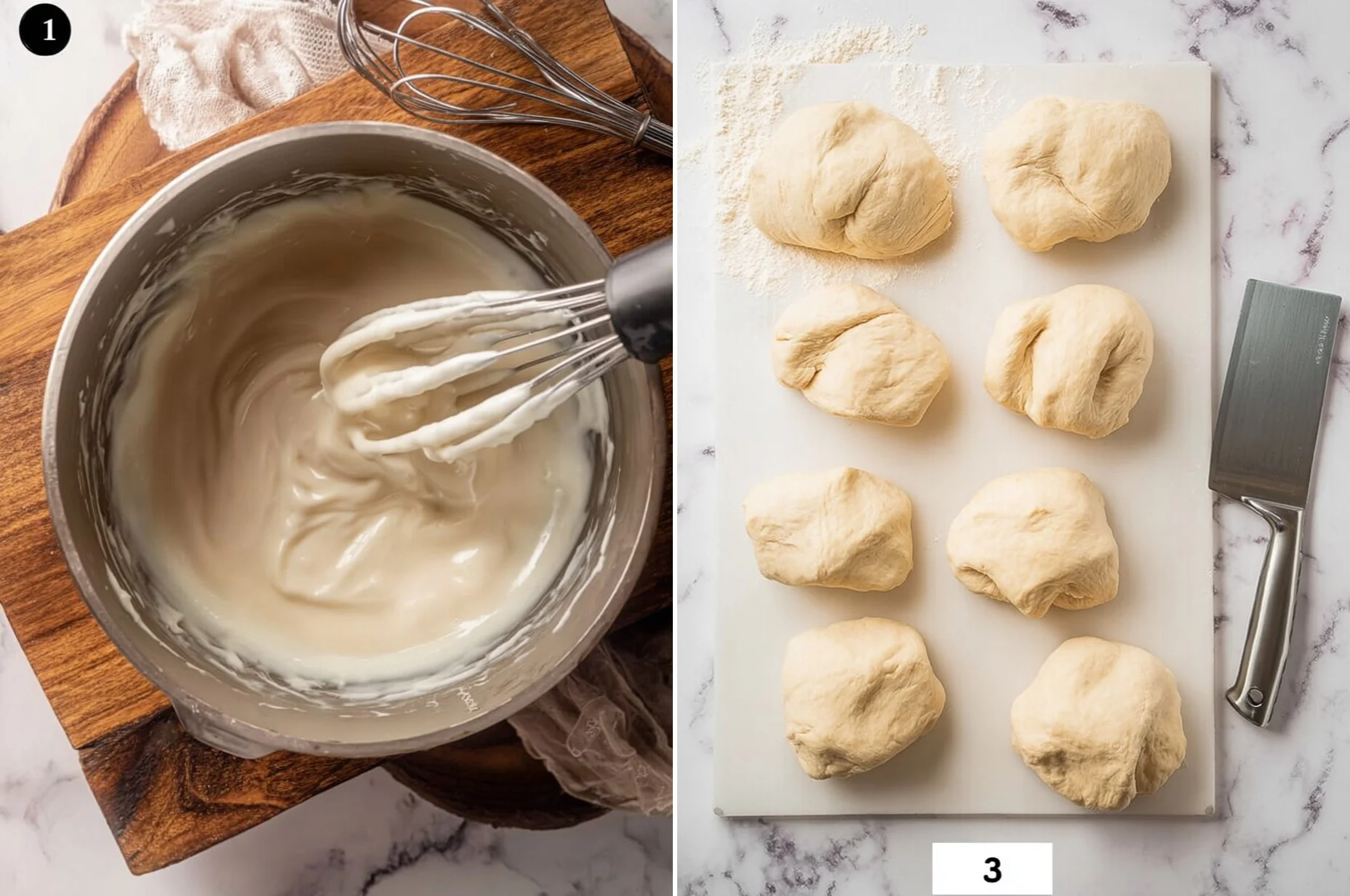
- Mix the Dry Ingredients: In a large mixing bowl, combine 4 cups of all-purpose flour, 1 packet of instant yeast, ½ cup of granulated sugar, and 1 teaspoon of salt. Whisk them together until well mixed.
- Heat the Milk: Gently warm 1 cup of whole milk in a saucepan or microwave until it’s comfortably warm, but not hot enough to scald.
- Combine Wet Ingredients: Add the warm milk to the dry mixture, followed by 2 tablespoons of melted unsalted butter and 1 large egg. Stir until a shaggy dough forms.
- Knead the Dough: Transfer the dough to a lightly floured surface. Knead for about 8-10 minutes, or until the dough is smooth and elastic. Feel free to add a sprinkle of flour if it’s too sticky.
- First Rise: Place the kneaded dough in a greased bowl, cover it with a damp cloth, and let it rise in a warm place until doubled in size, which should take about 1-2 hours.
- Shape the Dough: Once the dough has risen, punch it down gently to release the air. Turn it out onto a floured surface, then shape it into a rectangle. Roll it tightly into a log, pinching the seams to seal.
- Second Rise: Place the shaped dough into a greased loaf pan. Cover it with a cloth and let it rise for about 30-45 minutes until it rises above the rim of the pan.
- Preheat the Oven: About 15 minutes before baking, preheat your oven to 350°F (175°C).
- Bake the Bread: Bake your milk bread for about 25-30 minutes or until the top is golden brown and sounds hollow when tapped.
- Cool: Remove from the oven and let it cool in the pan for 10 minutes before transferring it to a wire rack to cool completely.
Storing & Reheating
To keep your milk bread fresh, store it in a zip-top bag at room temperature for up to 3 days. Alternatively, refrigerate it in an airtight container for about a week. For longer storage, freeze the bread wrapped in plastic wrap and then in foil for up to three months. When ready to enjoy, simply pop it in the oven at 350°F for about 10-15 minutes to revive that delightful softness. The texture may slightly change after freezing, but a quick reheat really brings it back to life!
Chef’s Helpful Tips
- Avoid over-kneading the dough; you want it smooth, not tough.
- If the dough feels too sticky while kneading, sprinkle in little flour to manage.
- Cover the dough with a damp cloth during the rising phases to avoid a dry surface.
- Experiment by adding herbs or spices for extra flavor.
- For a glossy finish, brush the top with melted butter right after baking.
The unique texture and flavor of homemade milk bread are simply irresistible. By creating your version, you can add your personal touch and adapt it to suit your family’s preferences. Don’t hesitate to make it your own; add a touch of cinnamon for warmth or enjoy it plain. Either way, you’re about to fall in love with this bread!
Recipe FAQs
Can I freeze the milk bread?
Absolutely! Freezing is a great option for storing milk bread. Wrap it in plastic wrap, followed by aluminum foil, and it can keep well in the freezer for up to three months. Just remember to reheat it properly before serving for the best texture.
Can I make this recipe dairy-free?
Yes! Substitute the whole milk with an unsweetened dairy-free alternative like almond or oat milk. You can also use vegan margarine in place of the butter and omit the egg or use a flax egg as a replacement.
How do I know when the bread is done baking?
To check for doneness, tap the top of the bread gently; it should sound hollow. You could also use a thermometer; the internal temperature should be around 190°F (88°C).
What can I use this milk bread for?
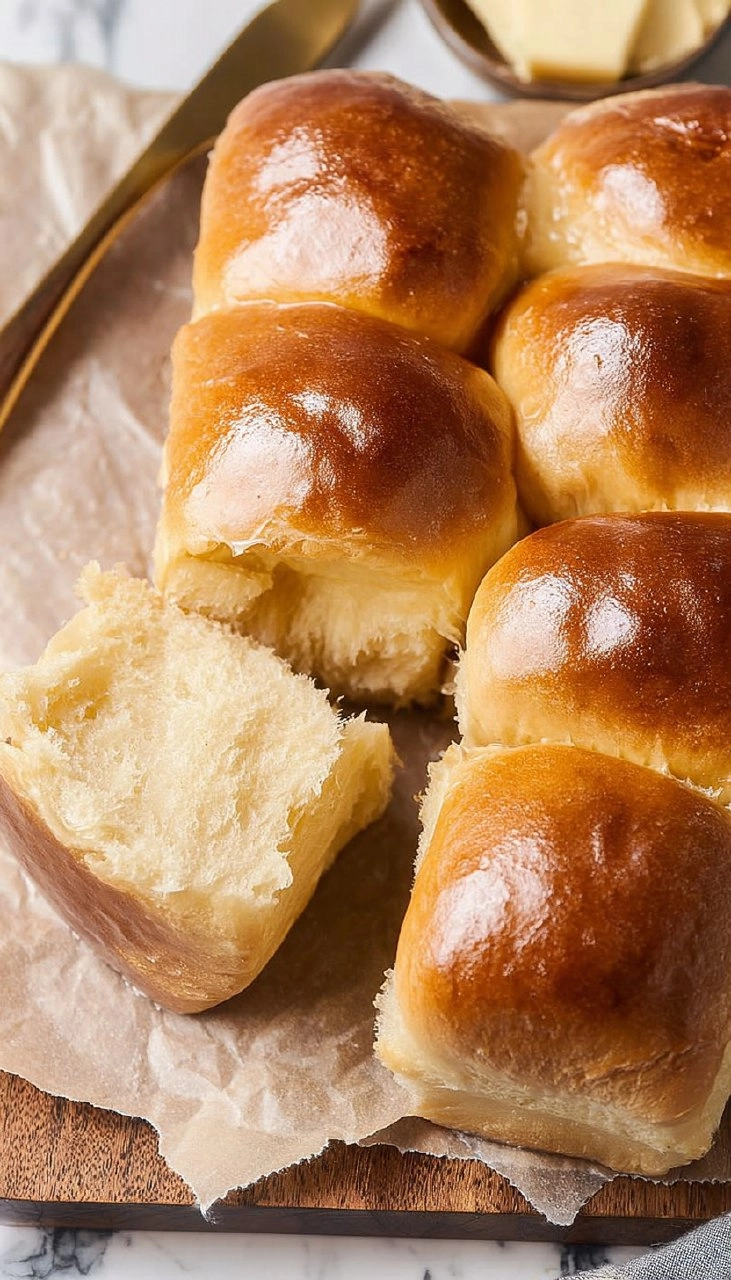
The delicious versatility of milk bread allows you to enjoy it in many ways. It makes fantastic toast, works beautifully for sandwiches, or can be enjoyed as is with a smear of butter. Get creative!
Now that you have this delightful milk bread recipe, gather your ingredients and enjoy the process. Each slice will bring comfort and a touch of home, delighting both your taste buds and those of your loved ones. Happy baking!
Print
⭐ If you make my Milk Bread recipe, Awesome! I would love to hear from you. Please give it a star rating and review below! 👇
Milk Bread
This Milk Bread is a go-to recipe for soft, fluffy rolls. With easy steps and key ingredients like milk and butter, it’s perfect for dinner or snacks.
- Prep Time NaN minutes
- Cook Time 25 minutes for large rolls / 20-22 minutes for small rolls
- Yield 12 servings 1x
Ingredients
- water
- milk
- 2 tablespoons flour
- sugar
- flour
- salt
- yeast
- milk
- butter
- 1 egg
Instructions
- Prepare the tangzhong by whisking water, milk, and flour in a saucepan over medium heat until thickened, about 1-2 minutes.
- Scrape the tangzhong into a stand mixer bowl.
- Add sugar, flour, salt, yeast, milk, butter, and egg in that order to the tangzhong.
- Mix with a dough hook on low speed until incorporated, then increase to medium and knead for 4 minutes until a smooth dough forms.
- Transfer the dough to a lightly oiled bowl, cover, and let proof for 1 ½ hours until doubled in size.
- Scrape the dough onto a surface, divide into 9 pieces for large rolls or 12 for standard rolls.
- Shape each piece into a smooth roll and place them in a greased baking pan.
- Cover and let proof for another 1 to 1 ½ hours until puffy, while preheating the oven to 350°F.
- Brush the tops of the rolls with beaten egg and bake at 350°F for 25 minutes for large rolls or 20-22 minutes for smaller rolls until golden brown.
- Allow to cool slightly before serving. Serve warm or at room temperature.
Notes
For a slightly sweeter flavor, increase the sugar by 1 tablespoon.
Ensure the dough is well-kneaded for the best texture; it should be sticky but elastic.
These rolls freeze well; simply reheat in the oven before serving.
Nutrition
- Serving Size: 1 roll
- Calories: 150
- Sugar: 3g
- Sodium: 200mg
- Fat: 4g
- Saturated Fat: 2g
- Unsaturated Fat: 1g
- Trans Fat: 0g
- Carbohydrates: 24g
- Fiber: 1g
- Protein: 4g
- Cholesterol: 30mg
Nutritional information is an estimate. The nutritional values for your final dish may vary based on measuring differences and products used.